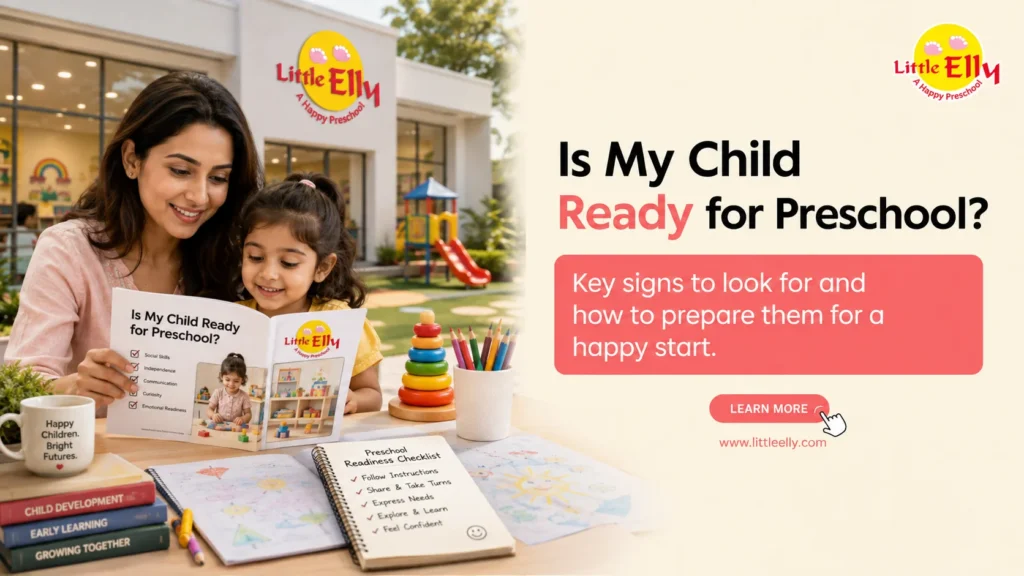
Is My Child Ready for Preschool?
Deciding when your toddler is prepared to step into a structured classroom environment can feel like an overwhelming parental milestone. You might find yourself constantly wondering: Is my child ready for preschool, or would another year at home be more beneficial? It is completely normal to feel torn between wanting to foster their growing independence and worrying if they are emotionally or physically prepared for a school routine.
When evaluating whether your child is ready for preschool, it helps to remember that readiness is rarely about early academic achievement. Teachers do not expect incoming toddlers to read, write, or solve math problems. Instead, toddler preschool readiness centers on foundational developmental milestones, self-care capabilities, and social-emotional skills.
Age vs. Readiness: What Age Do Kids Start Preschool?
When parents begin exploring early childhood education, the first question that usually pops up is about timing: What age do kids start preschool?
However, biological age only tells half the story. Two children born in the exact same month can have completely different levels of emotional and functional maturity. One 3-year-old might thrive in a room full of peers, while another may benefit from a few extra months of one-on-one time at home or in a smaller daycare setting. Evaluate how your child handles daily routines, reacts to new environments, and communicates their basic needs rather than adhering strictly to a calendar date.
7 Key Signs Your Child Is Ready for Preschool
While every toddler matures at their own rate, certain behavioral and physical clues indicate a smoother transition into a classroom setting:
Printable Preschool Readiness Checklist for Parents
Use this quick checklist to spot your toddler’s current strengths and identify areas you can gently practice together at home before the first day of school:
Social & Emotional Skills
Self-Help & Independence
Communication & Cognitive Skills
Physical & Motor Skills
How to Prepare Your Child for Preschool at Home
Learning how to prepare your child for preschool happens naturally through everyday play, home routines, and focused quality time. Here are four effective ways to build classroom confidence right in your living room:
Set consistent times for waking up, eating snacks, playing outdoors, and taking afternoon naps several weeks before school starts.
Arrange short playdates or leave your child with trusted relatives for 1 to 2 hours to build emotional trust and ease drop-off anxiety.
Involve your toddler in age-appropriate tasks like wiping their snack table, putting away toys, or carrying their empty plate to the sink.
Pick out picture books featuring beloved characters going to preschool for the first time to normalize classroom routines and soothe worries.
Frequently Asked Questions
What age do kids start preschool?
Most children start preschool between 2.5 and 4 years old, with 3 years old being the most common entry point. Programs for 2.5- to 3-year-olds generally focus on social adjustment, sensory play, and routine exposure, while 4-year-old programs focus more on structured group learning and kindergarten prep.
What are the potty training requirements for preschool?
Requirements vary by school. Most traditional private and public programs for 3- and 4-year-olds require children to be fully daytime potty-trained and capable of managing their own clothing with minimal assistance. However, many early enrollment programs (for ages 2 to 3) accept pull-ups and actively partner with parents to assist with training.
How can I tell if my child is ready for preschool emotionally?
Emotional readiness is marked by a child’s ability to self-soothe after brief moments of distress, manage short separations from primary caregivers without severe panic, and show curiosity about playing alongside or near other children.
What should I do if my child exhibits severe separation anxiety before starting?
Practice gradual separation weeks in advance. Establish a quick, predictable goodbye ritual (a hug, a high-five, and a warm phrase like “I always come back”), read storybooks about school drop-offs, and avoid lingering during the farewell.
Does my child need academic skills before starting preschool?
No. Preschool is designed to introduce foundational learning concepts naturally through play. Teachers do not expect incoming children to read, write, or solve math problems. Real readiness centers entirely on foundational behaviors—such as sitting briefly during storytime, expressing physical needs, holding a crayon, and cooperating in group routines.
Final Thoughts on Determining Preschool Readiness
Deciding when to take the step into early education is a personal journey unique to every family. Readiness is a gradual spectrum, not a pass-or-fail test.
If your child meets several of the physical, social, and emotional indicators, they are likely ready to thrive in a classroom environment. However, if you feel they need a few more months to build independence, trust your parental instincts giving them extra time at home is just as valuable. If you remain uncertain, arrange a school tour or consult your pediatrician and an early childhood educator to make your final choice with total confidence.
Admissions open for 2026-2027